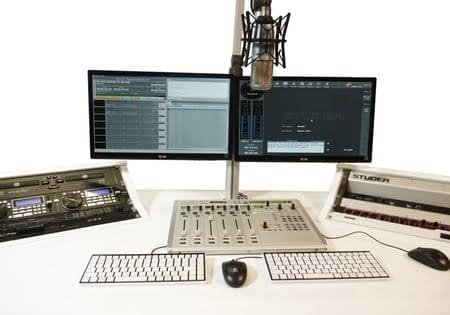
Understanding Radio Broadcast Mixers
Radio broadcast mixers play a vital role in the production process, acting as the central hub for audio signals in radio stations. These mixers facilitate the control and manipulation of sound, allowing broadcasters to create high-quality audio for their listeners. At their core, radio broadcast mixers serve several essential functions, including signal routing, which directs audio from various sources to output channels, and equalization, which adjusts the balance of frequencies within a sound signal to ensure clarity and consistency.
Moreover, mixers are equipped with features that enable the addition of effects, such as reverb and delay, enhancing the overall auditory experience. The integration of these effects can make a significant difference in the quality of live broadcasts, helping to create a more engaging atmosphere for the audience.
In the industry, two primary types of radio broadcast mixers are prevalent: analog and digital models. Analog mixers utilize traditional circuitry to process sound, providing a warm and familiar sound quality favored by some audio professionals. These mixers are often appreciated for their tactile knobs and faders, which offer a satisfying hands-on experience during live mixes.
On the other hand, digital mixers have gained popularity due to their versatility and advanced features. They allow for precise control over audio processing and often come with built-in effects and digital signal processing capabilities. Additionally, many digital mixers have the ability to store presets, making it easier for users to replicate specific sounds across different broadcasts.
Understanding the different types of radio broadcast mixers and their respective functions is crucial for anyone involved in radio production. Whether opting for an analog or digital mixer, radio professionals must consider their unique needs and the specific requirements of their broadcasting environment to achieve the best possible audio output.
Key Features of Radio Broadcast Mixers
When selecting a radio broadcast mixer, several key features should be prioritized to ensure that the device meets the unique demands of a broadcasting environment. One of the first aspects to consider is the channel strip configuration. This includes the number of channels, the layout of controls, and the availability of individual gain controls. A mixer equipped with multiple channel strips allows for greater flexibility in managing various audio sources simultaneously, which is crucial in live radio broadcasts.
Another important feature is the built-in effects processors. Many modern mixers come with integrated effects that enhance the audio quality, allowing broadcasters to apply reverb, compression, and equalization directly within the mixer. This functionality not only saves time during production but also enhances the overall sound quality of the broadcast. Additionally, it’s essential to evaluate the fader setup. Smooth travel and ruggedness of the faders contribute significantly to ease of use and durability, accommodating long hours of operation without degradation in performance.
Connectivity options also play a crucial role in the functionality of radio broadcast mixers. Opt for models that offer a variety of input and output connections, including XLR, TRS, and digital inputs, to ensure compatibility with a wide range of audio sources and broadcasting equipment. High-quality input and output capabilities are paramount, as they directly affect sound integrity. Monitoring capabilities, such as headphone outputs and auxiliary sends, enable broadcasters to achieve optimal sound levels and perform real-time adjustments. Ultimately, a comprehensive understanding of these features will greatly aid in selecting the right radio broadcast mixer tailored to specific broadcasting needs, thereby enhancing overall production quality.
Choosing the Right Mixer for Your Broadcast Needs
Selecting the appropriate radio broadcast mixer is critical for achieving optimal sound quality and production value in your broadcasts. The decision-making process can vary significantly between first-time buyers and seasoned broadcasters, each with distinct requirements and experience levels. For newcomers, it is essential to start with a user-friendly model that provides foundational features, such as a built-in audio interface and basic EQ controls. These mixers often fall within a moderate price range, making them accessible without compromising on quality.
In contrast, experienced broadcasters might prioritize advanced features like multi-channel mixing, digital signal processing, and flexibility to handle various audio inputs. For these users, investing in higher-end brands known for durability and performance, such as Yamaha, Mackie, or Allen & Heath, can yield substantial long-term benefits. It is also recommended for seasoned users to consider mixers that offer scalability, allowing them to expand their set-up without needing to replace their current equipment.
The content type being produced—whether live shows, pre-recorded segments, or on-demand podcasts—should heavily influence your mixer choice. Live broadcasts generally require mixers with lower latency and robust monitoring capabilities, while pre-recorded formats may benefit from mixers with extensive audio effects and easier post-production workflows. Budget is another crucial factor; mixers can range from a few hundred to several thousand dollars. Balancing quality and necessary features within your budget will ensure a satisfactory investment.
Lastly, it is wise to read reviews and consult professional opinions before finalizing your decision. By taking the time to assess your specific broadcasting needs alongside budgetary constraints, you can select a mixer that not only enhances your audio output but also elevates the overall listening experience for your audience.
Tips for Optimal Use of Radio Broadcast Mixers
Effectively operating and maintaining a radio broadcast mixer is crucial for achieving high-quality audio output. First, when setting up your mixer for various types of broadcasts, ensure that you understand the specific requirements of each format. Whether you are broadcasting live events, interviews, or pre-recorded segments, adjust the input levels accordingly to accommodate different audio sources. This ensures clarity and prevents distortion.
Another key aspect of using radio broadcast mixers involves troubleshooting common issues. Audio dropouts, feedback, and poor sound quality can often plague broadcasts. To address these problems, regularly check all connections and cables for wear or damage, as well as ensuring microphones and other inputs are working correctly. Using a digital audio workstation (DAW) in conjunction with your mixer can also help identify and mitigate sound issues during the streaming process.
Regular maintenance practices are essential for ensuring longevity and optimal performance of your equipment. Keep the mixer clean by dusting it regularly and checking for accumulated debris that may affect performance. Additionally, implement a routine check of your mixer settings before each broadcast to verify that they align with the intended output.
Mixing techniques are vital for achieving a balanced sound. It is recommended to utilize equalization (EQ) effectively. Familiarize yourself with frequency bands to enhance or diminish specific sounds without compromising audio quality. While integrating effects can enhance the listening experience, ensure they do not overshadow the primary audio content. Properly adjusting reverb and compression settings can create a richer audio landscape while maintaining clarity.
Ultimately, applying these tips will empower broadcasters to leverage their radio broadcast mixers to the fullest, providing listeners with a polished and professional audio experience.