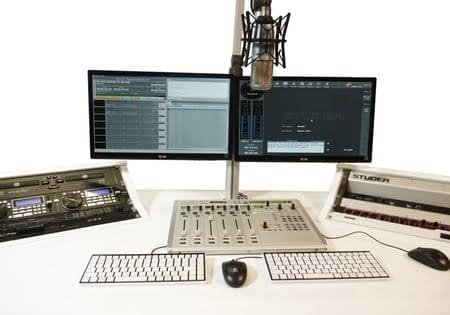
What is an FM Transmitter?
An FM transmitter is a device that facilitates the transmission of audio signals over radio frequencies primarily through frequency modulation (FM). This technology becomes imperative in the field of communication as it enables the broadcasting of sound from on the studio to receivers at different locations. The process begins when audio signals are generated, which are then modulated for transmission purposes.
The fundamental principle behind an FM transmitter involves the modulation of a high-frequency carrier wave by the audio signal. This modulation alters the frequency of the carrier wave in accordance with the amplitude of the audio signal, thereby encoding the sound information onto the carrier wave. The result is an FM signal that can effectively travel over varying distances depending on the transmitter’s power output.
Key components of an FM transmitter include an audio source, a modulator, an oscillator, and an antenna. The audio source captures the sounds that need to be transmitted, which in turn are fed into the modulator. The modulator’s role is to combine the audio signal with the carrier wave produced by the oscillator. Once modulated, the signal is transmitted through the antenna, which radiates the signal into the surrounding area.
The technology behind FM transmitters has evolved significantly since its inception, with advancements allowing for higher fidelity audio, reduced interference, and better transmission ranges. Modern FM transmitters utilize sophisticated digital processing to enhance sound quality and reliability. As a result, FM transmitters continue to be utilized extensively for various applications, from commercial broadcasting to personal use in small communities.
How FM Transmitters Operate
FM transmitters, or frequency modulation transmitters, serve as essential components in the realm of radio broadcasting. The operation of these devices is predicated on the modulation process, chiefly involving the conversion of audio signals into radio frequency (RF) waves. This transformation is vital for the dissemination of sound over vast distances.
The process begins with audio input, which is typically captured from a sound source from on air studio. The audio information is then fed into a modulator where the FM modulation technique is applied. This technique alters the frequency of the carrier wave in accordance with the amplitude of the input audio signal. In essence, the audio waveform modulates the frequency of the carrier wave, allowing for efficient sound transmission over the airwaves.
Secondly, frequency allocation is a critical aspect that influences the operational range of FM transmitters. Each transmission station is assigned a specific frequency range by regulatory authorities to prevent overlapping signals. This allocation ensures that FM transmitters can operate without interference from one another, effectively maintaining audio clarity and stability.
Following modulation, the RF output must be amplified to achieve a range suitable for broadcasting. Transmitters typically incorporate an amplifier that boosts the power of the modulated signal. The enhanced RF signal then radiates through an antenna, which transforms the electrical signals into electromagnetic waves capable of traveling through the atmosphere.
The overall broadcasting range of an FM transmitter depends on several factors, including the transmitter’s output power, antenna design, terrain, and frequency selected. High-power transmitters can cover vast distances, reaching audiences far and wide, while low-power transmitters are typically utilized for localized transmission. In conclusion, FM transmitters play a pivotal role in radio broadcasting by converting audio into modulated RF signals, thereby enabling effective audio transmission across designated frequency spectrums.
Applications of FM Transmitters
FM transmitters serve a multitude of purposes across various domains, showcasing their versatility and effectiveness in communication.
What is an FM Broadcast Transmitter?
An FM broadcast transmitter is a specialized device designed to transmit audio signals over a significant distance using frequency modulation (FM). Unlike regular FM transmitters, which typically serve a limited area and may be more suitable for personal use or small-scale operations, FM broadcast transmitters are built to cater to larger audiences, capable of covering extensive geographic regions. This capability stems from both the power of the transmitter and the design of the broadcasting infrastructure.
FM broadcast transmitters operate at higher power levels compared to standard FM transmitters, ranging from a few watts to thousands of watts. This increased power allows them to penetrate various terrains and reduces interference from obstacles, thereby reaching a broader audience. Additionally, FM broadcast transmitters often incorporate advanced technology that enhances signal stability and audio quality, ensuring that the broadcast remains clear and consistent over long distances.
Infrastructure plays a pivotal role in the effective functioning of FM broadcast transmitters. These transmitters are typically integrated into a network of antennas, various broadcasting towers, and additional equipment designed to optimize transmission. The infrastructure not only supports the technical requirements of broadcasting but also ensures compliance with regulatory standards governing FM broadcasting. As a result, stations can effectively reach diverse audiences while minimizing overlap and disruptions from other frequencies.
Components of FM Broadcast Transmitters
FM broadcast transmitters comprise several essential components, each playing a crucial role in the overall functionality and effectiveness of broadcasting. Understanding these components is vital for anyone interested in the technical aspects of radio transmission.
The primary component of an FM broadcast transmitter is the transmitter unit itself. This device is responsible for generating and modulating the radio frequency (RF) signal. In the case of frequency modulation, the audio signal is combined with the RF signal to produce the modulated output. The transmitter operates within a specified frequency range, which is critical for avoiding interference with other broadcasting services.
Another significant element is the modulator unit, which alters the RF signal using the audio input. There are various types of modulators, such as direct and indirect modulators, each affecting the quality and efficiency of the broadcast. The choice of modulator impacts the transmission’s fidelity and range, making it a decisive factor in achieving superior sound quality.
The antenna system is also integral to the broadcasting process. The antenna converts the electrical signals from the transmitter into radio waves that propagate through the air. Antennas vary in design, characterized by their gain, radiation pattern, and polarization, influencing how effectively signals are transmitted over distances.
Additional equipment associated with FM broadcast transmitters includes linking systems, which connect various transmission points, and power amplifiers, which boost the output signal to ensure that it covers the desired transmission area. Also crucial are filtering systems that prevent unwanted frequencies from interfering with the main signal.
In summary, understanding the essential components of FM broadcast transmitters, from the transmitter and modulator units to antenna systems and auxiliary equipment, highlights the complexities involved in radio broadcasting. Each part contributes to delivering clear and effective radio signals to audiences, emphasizing the interconnected nature of these systems.
Advantages of FM Transmission
FM transmission, widely used for radio broadcasting, has several advantages that contribute to its popularity among broadcasters and listeners alike. One significant benefit is the superior sound quality achieved through frequency modulation. This method reduces distortion and allows for greater fidelity, enabling listeners to experience clear and vibrant audio, particularly important for music broadcasts where sound quality is paramount.
Another notable advantage is the improved coverage area. FM signals can travel further than AM signals due to their higher frequency, which enables them to reach a wider audience. Additionally, FM transmission can reflect off various terrains and structures, enhancing signal coverage in urban environments where tall buildings may obstruct reception.
In summary, FM transmission offers distinct advantages in terms of sound quality and coverage. However, it is crucial to consider the potential disadvantages, such as interference susceptibility and limited range, when evaluating the efficacy of FM transmitters for specific broadcasting needs.
Conclusion
In conclusion, the understanding of FM transmitters and broadcast transmitters plays a vital role in both the current landscape and future evolution of broadcasting technology. Throughout this guide, we have explored various aspects of FM transmitters, including their functionality, applications, and the significant impact they have had on communication and entertainment. FM technology has not only been a cornerstone of traditional broadcasting but has also paved the way for innovative broadcasting techniques and methodologies.
It is imperative for engineers, and industry professionals to stay abreast of these evolving technologies. A thorough understanding of both FM transmitters and broadcast transmitters will serve as a foundation for innovation in the field, enabling stakeholders to fully harness the potential of FM technology. By engaging with ongoing research and participating in discussions about future prospects, individuals can contribute to shaping the next chapter in the broadcasting industry.