What Kind of Radios Should We Build?
Introduction to Building an FM Radio Station
Establishing an FM radio station is a multifaceted venture that requires careful planning and strategic consideration. This blog post aims to provide an insightful overview of the essential components involved in building an FM radio station. Whether you are looking to serve a local community or potentially reach a wider audience, understanding the dynamics of radio broadcasting is crucial.
One of the first aspects to consider when embarking on this journey is the type of programming you wish to offer. Programming is the backbone of any radio station; it drives listener engagement and shapes the station’s identity. From music formats to talk shows and community announcements, the choice of programming will not only influence audience demographics but will also dictate scheduling, staffing, and resource allocation. Therefore, it is vital to conduct thorough research on market preferences and competitor offerings.
Moreover, having a clear vision for the future of your FM radio station is paramount. Consider how you want the station to evolve: Will it remain a local entity or strive for national or digital expansion? Envisioning the station’s growth trajectory helps in defining long-term goals and aligning immediate actions with these objectives. This foresight will significantly impact decisions related to technology investments, staff recruitment, and marketing strategies.
Finally, no radio project can be realized without carefully considering budget factors. Determining your financial resources, including setup costs, ongoing operations, and potential revenue streams, is essential for sustainability. Understanding these financial implications will enable you to create a realistic business plan that ensures both the establishment and longevity of your FM radio station.
Understanding Different Types of FM Radios
When embarking on the journey of building an FM radio station, it is essential to understand the different types of FM radios that one can operate. Each type of FM station serves distinct purposes and audiences, and having a clear grasp of these categories will aid in making informed decisions about the station’s direction.
Local FM stations are typically small-scale operations that serve a specific geographical area. These stations often focus on hyper-local content that caters to the immediate community, providing news, events, and entertainment relevant to the local population. Due to their localized nature, local FM stations can foster strong community relations and become integral to the fabric of their listeners’ daily lives.
In contrast, community FM stations are founded with a mission to serve the interests of specific community groups. These stations are often not-for-profit and prioritize inclusion by representing minority voices, promoting cultural diversity, and educating their audiences. The programming in community FM stations tends to reflect the values and needs of those specific demographics, making them valuable platforms for advocacy and outreach.
Regional FM stations, unlike their local counterparts, expand their reach to cover a broader area, possibly encompassing multiple towns or cities within a state. They may broadcast a wider range of content, including news that affects the entire region, various music genres, and talk shows that resonate with a larger segment of the population.
Finally, national FM stations are designed to have a far-reaching impact, broadcasting across the entire country. These stations often feature popular talk shows, music programs, and national news, attracting a diverse audience. They serve as a medium for mass communication, delivering content that resonates with listeners of various backgrounds and interests.
Coverage Area Considerations
When establishing an FM radio station, one of the foremost decisions involves the selection of an appropriate coverage area. Coverage area refers to the geographical extent within which the station can effectively broadcast its signal. Depending on your target demographic and the resources available, the choice of coverage radius can significantly impact the station’s reach and audience engagement.
FM stations typically operate within various coverage radii. Stations with a coverage radius of approximately 10 kilometers primarily cater to localized audiences. This model is ideal for community-focused stations that aim to deliver content relevant to specific neighborhoods or towns. Catering to a smaller audience allows for personalized programming and stronger listener engagement, with the ability to address local issues and promote community events.
For a broader reach, many FM stations opt for a coverage radius ranging from 30 to 70 kilometers. This distance enables the station to attract listeners from multiple towns and regions, expanding its audience base and advertising potential. Stations within this range often feature a mix of local and regional content, which can help maintain relevance across a wider listener palette while fostering connections with surrounding communities.
Finally, there are FM stations that achieve extensive coverage exceeding 100 kilometers. Such vast coverage is advantageous for maximizing audience share and advertising revenue, as they can attract a diverse listener demographic. However, this approach requires significant investment in infrastructure and ongoing operational costs. Thus, choosing the right coverage area should align with both your programming goals and financial capabilities. Prioritizing the needs of your intended audience while balancing operational viability is crucial for successful station management.
Commercial vs. Non-Commercial Stations
The distinction between commercial and non-commercial radio stations is significant and has important implications for those looking to establish an FM radio station. Commercial stations primarily generate revenue through advertising, selling airtime to businesses seeking to promote their products or services. This revenue model allows for the potential for greater financial resources, enabling these stations to invest in high-quality programming, advanced technology, and lucrative marketing initiatives.
On the other hand, non-commercial stations often rely on alternative funding sources such as listener donations, grants, membership dues, or sponsorships from various organizations. This funding model significantly impacts programming styles; non-commercial stations usually prioritize community engagement, educational content, and niche programming that may not be commercially viable but is highly valued by specific audiences. They tend to cultivate a strong relationship with their listeners, encouraging community participation and often broadcasting local news, cultural programming, and public service announcements.
Furthermore, operational restrictions differ between the two types of stations. Commercial stations must adhere to strict regulations regarding advertising content and the amount of time dedicated to commercials per hour. Conversely, non-commercial stations face restrictions on advertising as well, often limited to specific fundraising announcements and acknowledgments of sponsors, which can affect their overall revenue potential.
In addition to educational and community-focused non-commercial radio stations, there are also religious stations that cater to specific faith-based audiences. These stations may receive funding through donations from religious organizations or congregations and focus on spiritual programming, sermons, and religious discussions.
Ultimately, the choice between a commercial and a non-commercial radio station will hinge on your mission, your target audience, and your desired programming style. Understanding these differences is crucial for making an informed decision when embarking on the journey of building an FM radio station.
Station Programming and Content Focus
When embarking on the journey of building your FM radio station, the choice of programming and content focus plays a pivotal role in shaping the overall identity and success of the station. Different types of programming can be offered to cater to varying audience preferences, including music genres, talk shows, news segments, and more. Understanding your target demographic is essential to determine what type of content will resonate best with listeners.
One popular option for content focus is music programming, which can range from classic rock and pop to more niche genres like classical, jazz, or electronic music. A station that centers on music often aims to create a vibrant community, attracting listeners who share specific tastes and preferences. This approach might influence the type of broadcast equipment you select, as certain music formats may require higher-quality audio processing tools or specialized mixing equipment.
Alternatively, religious content programming can serve a distinct audience segment, providing spiritual guidance and community support. Such stations may include sermon broadcasts, religious discussions, or music that aligns with various faith-based practices. This type of programming necessitates equipment capable of capturing nuanced vocal performances or audio narratives effectively.
Another viable option is news-based programming, which may include daily news segments, talk shows, or investigative reporting. In this format, the audience seeks timely and accurate information, making it vital to invest in quality reporting tools and broadcasting equipment suitable for clear transmission. Mixed-format programming, which blends various content types (such as music and talk), can also be effective for engaging a broader audience.
Ultimately, the content focus informs not only the types of programming but also the equipment choices and strategies for engagement with your audience. By carefully selecting your programming, you set the stage for a successful and lasting radio station that meets the needs of its listeners.
Future Growth: Building for Transformative Potential
When considering the growth trajectory of an FM radio station, it is crucial to analyze how scalability and strategic planning converge to create opportunities for expansion. A thoughtful approach to the station’s infrastructure ensures it is not merely established to serve a local audience, but is also positioned for broader reach in the future.
In the initial stages, it is advisable to invest in flexible and adaptable equipment. This includes transmitters, antennas, and broadcasting tools that can accommodate increases in listeners or shifts in technology. Investing in high-quality audio equipment will not only enhance transmission quality but will also be an asset when expanding coverage areas. Furthermore, opting for digital capabilities and hybrid systems can provide the station with the technological backbone necessary for evolving listener preferences and requirements.
Scalability goes beyond technical components; it also extends to content strategy. A station aiming for regional or national success must curate programming that resonates with diverse audiences while maintaining local roots. This could involve partnerships with local artists, community events, or engaging with various cultural demographics. The content should reflect broader interests as the station grows, which may necessitate the addition of specialized programming to appeal to new audience segments.
Another essential consideration is regulatory compliance and planning. As an FM radio station expands its reach, it must navigate the complexities of broadcasting regulations that may apply at different levels of operation. Early engagement with industry regulations will streamline this process and facilitate smoother transitions as the station evolves.
Ultimately, establishing a strong foundation built on strategic planning, scalable technologies, and adaptable content will empower an FM radio station to harness transformative growth. By prioritizing these elements, the station can effectively transition from serving a local market to potentially impacting a regional or even national audience.
Making the Right Equipment Choices
When establishing an FM radio station, making informed equipment choices is critical to achieving quality broadcasts and operational efficiency. The first step in this process involves assessing the specific needs of your station, which are influenced by factors such as the desired coverage area, target audience, and content focus. High-quality audio transmission relies heavily on the selection of the right transmitting and receiving equipment, including transmitters, antennas, and microphones.
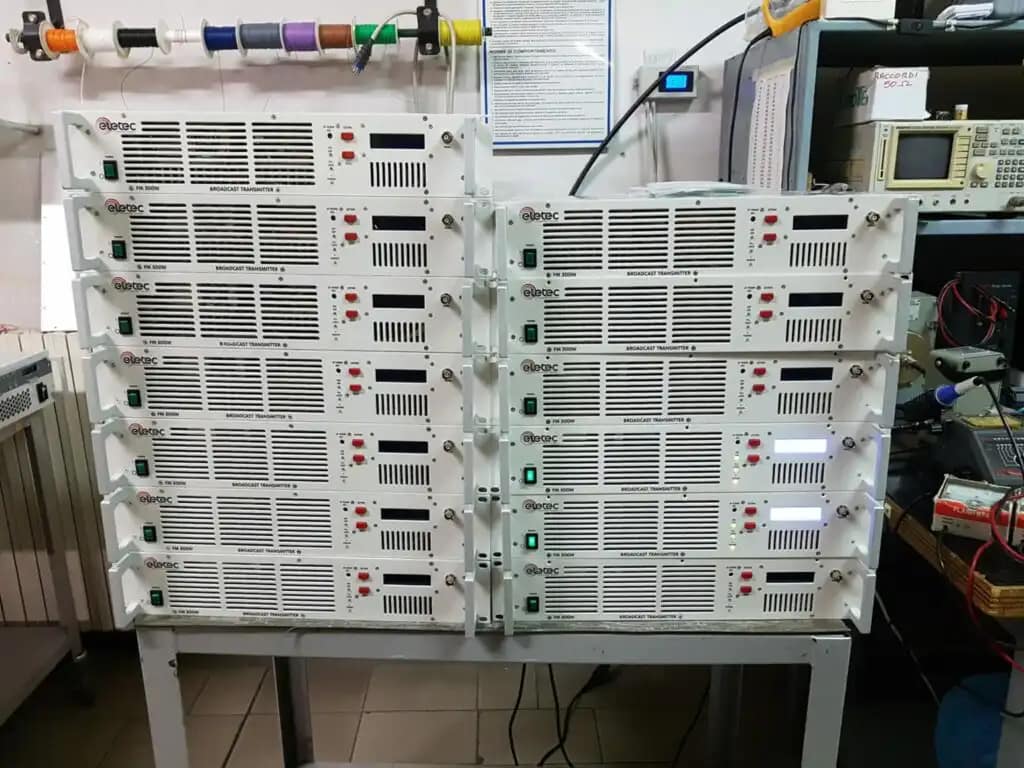
Transmitters are the heart of an FM radio station, and their power output defines the broadcast range. Depending on the scope of your coverage area, it is essential to choose a transmitter that aligns with the Federal Communications Commission (FCC) regulations while also meeting the technical requirements necessary for a clear and dependable signal. Additionally, a suitable antenna is paramount for effective signal diffusion. The type of antenna, whether omnidirectional or directional, impacts how well your station can reach various geographic locations, thus playing a crucial role in audience engagement.
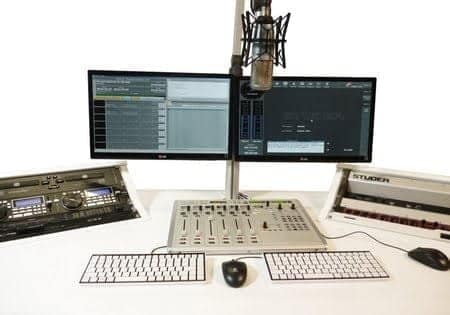
Beyond transmission components, the choice of audio equipment also requires careful consideration. Microphones and mixers should be selected based on the types of programs you plan to broadcast. For instance, engaging interviews may benefit from high-quality condenser microphones, while robust dynamic microphones can enhance voice clarity during live shows. Furthermore, audio processing tools can help maintain sound quality, compensating for any deficiencies that may arise during broadcasting.
In conclusion, the decisions surrounding the selection of equipment for your FM radio station are significant and multifaceted. By understanding the core requirements of your intended operation and aligning your equipment choices accordingly, you can set the foundation for a successful and sustainable radio station that delivers quality content to your audience.