Introduction to Broadcast Radio
Broadcast radio has played a pivotal role in the communication landscape since its inception in the early 20th century. It represents a technology that enables the transmission of audio content to a broad audience without the need for physical media. The significance of broadcast radio lies not only in its widespread reach but also in its ability to inform, educate, and entertain listeners across diverse demographic groups.
The history of broadcast radio dates back to the first successful broadcasts in the 1920s, marking the beginning of a new era in mass communication. Initially, radio broadcasts were primarily in amplitude modulation (AM), known for its ability to cover large distances. However, as technology evolved, frequency modulation (FM) emerged, providing higher audio quality and resistance to interference, particularly advantageous for music broadcasting.
In recent years, the emergence of digital broadcasting has transformed the radio industry once again. Digital radio offers enhanced sound quality and a broader array of stations, while also allowing for additional data services, such as text information and supplementary content. This transition towards digital standards exemplifies the ongoing evolution of broadcast radio, adapting to the needs of modern listeners.
As broadcast radio continues to evolve, its role within the media landscape is multifaceted. It serves as a crucial source for news dissemination, emergency communication, and cultural engagement. Despite the rise of the internet and streaming services, broadcast radio maintains its relevance, largely due to its accessibility and the intimate connection it fosters with its audience.
In summary, broadcast radio has undergone significant changes since its early days, continuously adapting to technological advancements and consumer demands. Understanding its history and operation is essential for appreciating the enduring impact of this medium in today’s digital age.
Types of Broadcast Radio Products
Broadcast radio products come in various types, each serving a specific purpose in the realm of radio communication. Understanding these categories is essential for anyone looking to delve into the world of broadcasting.
Transmitters play a crucial role in the broadcast radio ecosystem. They are the devices responsible for sending out audio signals over specific frequencies. Transmitters can vary in power output from low-power AM/FM units to high-power broadcasting systems that are capable of covering vast geographical areas. These devices convert audio signals into radio waves, which are then transmitted to any receiver tuned to the appropriate frequency.
Another key category is receivers, which are essential for capturing the transmitted signals. A receiver is designed to take the radio waves broadcasted by transmitters and convert them back into audible sound. This includes a diverse range of devices from simple car radios to sophisticated digital receivers that can decrypt multiple audio formats, enabling listeners to enjoy various channels and services.
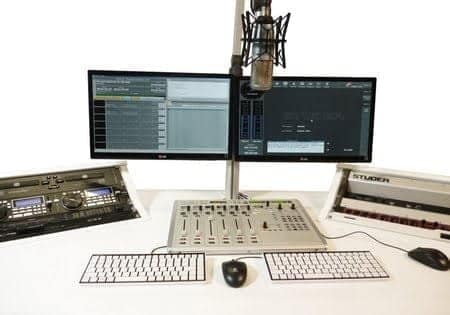
Additionally, studio equipment forms the backbone of radio production. This category encompasses microphones, mixers, audio processors, and broadcast consoles. Each piece of equipment is integral in shaping the audio quality and production values of the programming. For instance, a high-quality microphone can significantly enhance sound clarity, while a mixer allows for the balancing and manipulation of multiple audio sources in a live setting.
Lastly, the rise of digital radio solutions has transformed the broadcasting landscape. Digital radio offers better sound quality and a wider range of channels than traditional FM/AM broadcasts. Systems such as DAB (Digital Audio Broadcasting) and internet radio platforms are increasingly popular, allowing for improved user experiences and broad accessibility.
Key Features to Consider When Choosing Broadcast Radio Products
Selecting the right broadcast radio products is crucial for ensuring high-quality transmission and reception. When making this decision, there are several key features and specifications to consider that can significantly impact performance and user experience.
Firstly, audio quality is paramount. Broadcasters should look for equipment that provides clear and crisp sound across various frequencies. This involves considering signal-to-noise ratios and total harmonic distortion levels. High-quality audio ensures a pleasant listening experience, which is essential for retaining audience engagement.
Next, frequency range is a critical factor. Depending on the intended use—whether it’s for AM or FM broadcasting—different radio products may operate within various frequency bands. For instance, an FM broadcaster typically requires equipment that can operate between 88 to 108 MHz, while AM stations generally function within the 530 to 1700 kHz range. Ensuring compatibility with desired broadcasting frequencies is vital for effective transmission.
Another important feature is the power output of the radio product. Higher power outputs can achieve greater coverage areas, which is particularly important for larger broadcast stations. Evaluating the wattage necessary for specific broadcasting needs helps ensure that signals reach intended audiences without degradation.
Durability should also be taken into account, especially for equipment that may be exposed to various environmental conditions. Choosing products with robust designs and materials ensures longevity and reliability. This is especially important for outdoor broadcast scenarios, where humidity, temperature fluctuations, and other elements can pose risks to equipment performance.
Finally, technology compatibility must not be overlooked. Modern broadcast systems often require integration with digital technologies. Ensuring that the selected broadcast radio products are compatible with existing network infrastructures and software platforms will enhance functionality and ease of use, making for a smoother operational experience.
Emerging Trends in Broadcast Radio Technology
The landscape of broadcast radio is undergoing significant transformation, driven by advancements in technology and shifting consumer preferences. One of the most notable trends is the rise of digital broadcasting. As traditional AM and FM signals continue to coexist with digital platforms, radio stations are increasingly adopting digital formats to enhance audio quality and unlock a broader range of channels. Digital audio broadcasting (DAB) enables stations to transmit multiple programming streams within a single frequency, thereby delivering a wider array of content.
Moreover, the integration of broadcast radio with streaming services represents a pivotal shift in content distribution. Platforms such as Spotify and Apple Music are not only competing with traditional radio but are also collaborating with it. Many radio stations are now using streaming services to reach audiences beyond their geographical confines, allowing listeners to enjoy their favorite stations from anywhere. This convergence of radio and streaming highlights the need for stations to innovate and stay relevant, adapting their marketing strategies and content offerings to attract a digital-savvy audience.
Additionally, the utilization of artificial intelligence (AI) in content curation is revolutionizing how radio stations create and deliver content. AI algorithms can analyze listener preferences, engagement patterns, and trends to recommend personalized playlists or curate engaging shows. This advancement facilitates real-time adjustments to programming, ensuring that content resonates with the audience and increases listener retention. Furthermore, AI-driven tools can assist in automating tasks such as news aggregation and advertising placements, thus allowing radio professionals to focus on creative aspects.
Lastly, advancements in radio technology, including the adoption of high-definition (HD) radio and low-power FM (LPFM) stations, are expanding options for broadcasters. These technologies offer improved sound quality and community-oriented programming options, respectively, reinforcing the relevance of radio in the media ecosystem. As these trends continue to evolve, they will undoubtedly shape the future of broadcast radio products and the industry as a whole.
Successful Implementations of Broadcast Radio Products
In recent years, numerous organizations across the globe have successfully implemented broadcast radio products, showcasing their potential to enhance broadcasting capabilities and expand audience reach. For instance, a leading community radio station in the United States adopted a modern digital transmitter to replace its aging equipment. This transition not only improved sound quality but also enabled the station to expand its broadcasting range, allowing it to reach a more diverse listener base, including underserved communities.
Another compelling example comes from a major news organization that integrated advanced automation software into its radio broadcast operations. By utilizing this technology, the organization was able to streamline its programming and reduce the reliance on manual operations. As a result, the station saw a significant uptick in listener engagement, with audience feedback reflecting an appreciation for the smoother delivery of news segments. This success was particularly evident during major news events where timely reporting is critical.
Additionally, a university radio station in Europe leveraged social media integration with its broadcast content, using software that allowed live listeners to participate in discussions digitally. This approach not only tapped into the existing online community but also attracted a younger demographic to traditional radio programming. The station reported increased listener interactions, demonstrating the potential for traditional broadcast radio to thrive in the digital age.
These case studies represent just a few examples of how organizations have effectively utilized broadcast radio products to improve their operational efficiencies and grow their audience. Through strategic investments in technology and innovative approaches to programming, broadcasters are increasingly equipped to adapt in an era marked by rapid changes in media consumption.
The Future of Broadcast Radio Products
The landscape of broadcast radio products is poised for significant transformations as advancements in technology and shifts in consumer behavior shape the industry. The convergence of digital technologies with traditional broadcast methods suggests a blending of formats that could enhance the listener experience. We expect to see a rise in hybrid radio systems that combine digital audio broadcasting with internet connectivity, allowing for greater content accessibility and personalized listener engagement.
Emerging technologies such as artificial intelligence and machine learning also hold promise for the future of broadcast radio. These innovations could enable broadcasters to better understand audience preferences and behaviors, leading to highly targeted programming and advertising strategies. Such precision in content delivery may enhance listener loyalty and engagement, ensuring that broadcast radio continues to hold its appeal amid increasing competition from streaming services.
Moreover, the potential for market shifts cannot be overlooked. As younger generations gravitate towards digital platforms, traditional broadcasters may need to re-evaluate their strategies to ensure relevance. This could include diversifying content offerings or integrating interactive features that connect audiences directly with programs. Additionally, the rise of smart devices and home assistants is likely to facilitate more seamless integration of broadcast radio into daily life, providing listeners with easy access to their favorite stations through voice commands.
Nevertheless, despite the prevailing trends towards digitalization, broadcast radio remains a vital medium. Its ability to reach audiences in real time and provide local content ensures that it retains an essential role in media consumption. As we look ahead, understanding the balance between technological advancements and the unique strengths of broadcast radio will be crucial for stakeholders aiming to adapt to an evolving landscape.
Maintenance and Support for Broadcast Radio Products
Ensuring the longevity and functionality of broadcast radio products necessitates a regimented approach to maintenance and support. Regular upkeep not only enhances performance but also prolongs the operational life of the equipment. Key practices include routine inspections, cleaning, and comprehensive system checks. During these inspections, refer to the manufacturer’s guidelines to determine specific intervals for maintenance tasks such as checking connections, replacing filters, and testing audio clarity.
Proper cleaning procedures should be executed to remove dust and debris that can accumulate over time. Utilize appropriate cleaning tools, such as anti-static wipes, to avoid damaging sensitive components. In addition to physical cleaning, it is vital to keep software and firmware updated. Most broadcast radio products come equipped with updates that fix bugs and enhance performance, and neglecting these updates can lead to inefficiencies or malfunctions.
Common issues that may arise with broadcast radio equipment include audio distortion, connectivity problems, and intermittent signal loss. When faced with such challenges, troubleshooting starts with basic diagnostics. Ensure all cables are properly connected and check for any visible signs of wear or damage. If the problem persists after these checks, it may be indicative of a more complex internal issue that warrants professional assistance.
Professional support is crucial when dealing with equipment failure or if the troubleshooting steps do not resolve the problem. Many manufacturers offer support services or can direct users to certified technicians. Having access to expert advice not only resolves issues more efficiently but can also prevent further damage to the equipment.
In conclusion, maintaining broadcast radio products requires a structured approach that includes regular maintenance, diligent care, and prompt resolution of issues. By adhering to best practices and seeking professional assistance when necessary, operators can ensure their broadcast systems remain effective and reliable.
Conclusion: The Importance of Broadcast Radio Products in Modern Media
In today’s fast-paced and ever-evolving media landscape, broadcast radio products play a crucial role in disseminating information and entertainment to a diverse audience. As audiences increasingly turn to various media sources for their daily news and entertainment, the importance of high-quality broadcast solutions cannot be understated. These products not only ensure clear signals and high fidelity audio but also help maintain connectivity between broadcasters and their listeners, which is key to user engagement.
The demand for reliable and innovative broadcast radio products has never been greater. With advancements in digital technology and the rise of internet-based broadcasting, it is essential for radio stations and content creators to evaluate their equipment carefully. Quality broadcast radio products enable producers to capture and deliver content effectively, while also adapting to the changing preferences of listeners. They enhance user experience by ensuring that transmission quality is maintained, even in challenging conditions.
Moreover, as the regulatory environment evolves, embracing modern broadcast technologies becomes critical for compliance and successful operation. It is important for decision-makers in the broadcasting field to stay informed about the latest trends, innovations, and industry standards. Investing in the right broadcast radio products can not only elevate the quality of programming but also provide a competitive edge in a crowded media landscape.
In conclusion, the critical role that broadcast radio products play in modern media underscores the need for broadcasters to make informed choices regarding their equipment. As technology continues to advance, staying updated with the most reliable and effective solutions is imperative for achieving success and ensuring relevance in the industry.