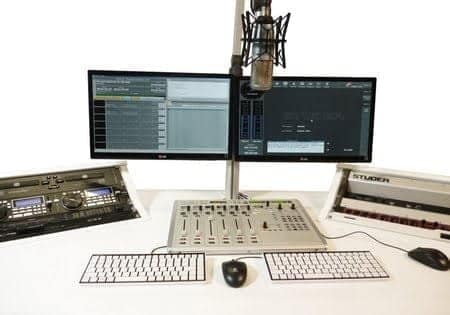
Introduction to FM radio transmitters
FM radio transmitters are designed to broadcast audio signals on FM band frequencies. They convert sounds, usually from a microphone or music source, into radio waves, which can then be picked up by FM receivers. These transmitters are primarily used for commercial applications.
FM transmission technology relies on frequency modulation, a method that transmits information via a carrier wave by varying its frequency. This modulation ensures high sound quality and minimal interference, which explains FM’s popularity for broadcasting. The ease of installation, combined with the ability to broadcast sound within a defined coverage area, offers numerous opportunities for users.
Organizations may consider acquiring an FM transmitter for many reasons. For example, schools and universities can use them to broadcast events or lectures. Additionally, businesses may find FM transmitters useful for communicating with customers in specific geographic areas, allowing them to effectively promote their services or events.
In summary, understanding the essential functions and applications of FM radio transmitters allows users to make informed choices.
Understanding your needs: Why do you need an FM transmitter?
Before buying an FM radio transmitter, it is essential to analyze your needs precisely.
One of the main reasons for choosing an FM transmitter is to broadcast music within a limited geographical area. This is especially useful for community events. An FM transmitter creates a unique listening experience, allowing participants to connect with their radio station.
An FM transmitter also proves invaluable in radio broadcasting. Presenters can use this tool to broadcast their content on a dedicated frequency and reach a targeted audience in a specific geographic area. This functionality offers a fantastic opportunity for content creators to share their ideas and stories in an engaging way, without relying on major broadcast networks.
To assess your FM transmitter needs, consider factors such as range, audience size, and the purpose of your broadcasts. Understanding these elements will guide your purchasing decision and allow you to use your transmitter effectively, optimizing its performance. By clearly defining your requirements, you can choose a transmitter perfectly suited to your needs.
Essential features to look for in an FM transmitter
When choosing an FM transmitter, several key features should guide your decision to select a model that effectively meets your specific needs. Among the most important attributes is transmission power . This measurement indicates the strength of the transmitted signal, which directly affects the broadcast range. For recreational use in confined spaces such as homes or vehicles, low transmission power may suffice, while wider coverage may require higher transmission power.
Frequency range is another crucial factor. Most FM transmitters operate within the standard FM band of 88 to 108 MHz, but some models can pick up frequencies beyond this standard. A wider frequency range reduces the risk of interference with other signals, thus providing better sound quality.
Next, examine the transmitter’s audio quality . Look for specifications indicating a low total harmonic distortion (THD) and a high signal-to-noise ratio (SNR). These indicators ensure a transmitter that minimizes sound degradation, thus preserving the integrity of your audio during streaming.
Ease of use is another essential criterion. An intuitive interface and clear controls significantly improve the user experience. Ideally, choose transmitters that are easy to configure and require minimal installation effort.
Finally, assess the compatibility with other devices. Some FM transmitters connect seamlessly with smartphones, tablets, or other media players, allowing for effortless audio streaming. This versatility is essential for users who wish to integrate multiple audio sources conveniently.
Incorporating these features into your decision-making process will ensure you choose a highly effective FM transmitter that aligns with your broadcasting requirements.
Comparing Different Types of FM Transmitters
When considering the purchase of an FM radio transmitter, it’s essential to understand the differences among the various types available on the market. Each type caters to specific needs and applications, which can significantly influence your choice.
One of the most common types is the handheld FM transmitter. These devices are compact and often equipped with a built-in antenna, making them suitable for personal use or small events. Their portability allows users to broadcast signals over limited ranges, typically suitable for backyard gatherings or small parties. The primary advantage of handheld models is their ease of use and affordability. However, their limited range and lower power output may be a disadvantage for users seeking broader coverage.
Portable FM transmitters are another popular option. Unlike handheld transmitters, these units offer enhanced power and range, allowing users to broadcast over larger distances. This category includes battery-operated devices that are often used for outdoor activities or small community events. While portable transmitters provide greater flexibility, they can be more expensive than their handheld counterparts. Users should also be mindful of battery life and the need for additional equipment, such as external antennas, which may impact their overall experience.
For professional applications, professional-grade FM transmitters are the best choice. These units deliver high power output, making them suitable for radio stations and large gatherings. They typically come with advanced features, such as audio processing, reliable frequency stability, and extensive connectivity options. While professional-grade transmitters offer superior performance and range, they require a more significant investment and expertise to operate effectively.
In conclusion, choosing the right FM transmitter depends on your specific needs, ranging from casual use to professional broadcasting. By evaluating the pros and cons of each type—handheld, portable, and professional-grade—you can make a more informed decision that aligns with your requirements.
Installation and Setup: Getting Started with Your Transmitter
Installing and setting up an FM radio transmitter requires careful attention to detail to ensure optimal performance and compliance with local regulations. The first step in the installation process is to select an appropriate location for your transmitter. Ideally, this should be a high vantage point, free from interference by buildings or electrical equipment, to maximize broadcast range and clarity.
Once the location is selected, assemble the transmitter according to the manufacturer’s instructions. Ensure that all components, such as the antenna, power supply, and transmission cables, are properly connected. When connecting the antenna, it’s advisable to utilize a coaxial cable designed for minimal signal loss. The quality of the antenna can significantly affect the broadcast quality, so consider using a well-rated antenna specifically suited for FM transmission.
After setting up the hardware, switch on the system and configure the transmitter settings. Most FM transmitters come with a digital interface that allows you to set the frequency, audio level, and other parameters. It is important to select a frequency that is not already in use by other stations, to avoid interference. A quick scan of local frequencies can help you identify the best option. If your transmitter allows, use an output meter to monitor the audio levels and ensure that the signal is broadcasting at the desired strength.
Troubleshooting common issues may involve checking connections and ensuring that the antenna is not obstructed. If you experience poor sound quality or signal loss, examine the setup and consider potential sources of interference nearby. To optimize performance, regularly check for firmware updates provided by the manufacturer, as these can enhance functionality and comply with changing regulations. Overall, meticulous installation and setup will greatly influence the effectiveness of your FM radio transmitter.
Conclusion: Making the Right Choice for Your FM Transmitter Needs
As we have seen throughout this article, choosing the ideal FM radio transmitter requires a thorough analysis of various factors. Each user’s needs vary considerably depending on the intended use: personal use, education, or wider broadcasting. Understanding the essential characteristics of FM transmitters, such as range, frequency stability, portability, and sound quality, allows potential buyers to make an informed choice.
Furthermore, it is essential to be aware of the regulations governing FM transmission in your area. Broadcasting laws often define permitted power levels and frequencies; therefore, compliance is crucial to avoid legal issues. Consequently, potential users should thoroughly research local legislation to ensure their use of an FM transmitter meets all applicable standards.
The technical specifications of FM transmitters directly impact transmission quality. Stereo broadcast support, RDS functionality, and ease of installation are essential features that enhance the user experience. Furthermore, investing in a transmitter with robust technical support and a warranty provides peace of mind and ensures optimal long-term performance.
Given the various options and considerations discussed, it is essential that users reflect on their specific needs and preferences before finalizing their purchase. A suitable FM transmitter can not only enhance the user experience but also optimize the overall quality of the audio transmission. Taking the time to compare features, prices, and user reviews will allow for a more informed choice based on individual requirements, making the investment in an FM transmitter a valuable asset for any broadcasting project.